Blog
What we have learned running corporate events in Singapore.
Dinner and dance
Annual dinners, the run of the night, and the parts that decide it.
-

Door gifts for a corporate event: what guests keep, and how to hand them out
A door gift is the one thing every guest carries home. What gets kept, how to match it to the night, and the three ways to hand them out.
-

Gala dinner: what makes an evening a gala, and how one runs
What a gala dinner is, what it is for, and how it differs from an ordinary dinner. The stage carries the night, the room is built for it, and the dress code is formal.
-

Chinese New Year games for the office lunch, and the lo hei
Games a table of colleagues can play without leaving their seats, and where the lo hei goes in the lunch.
-

Gala dinner dress code: what to put on the invitation
What women and men wear under each code, from black tie to smart casual. Then pick the level, name it in words guests recognise, add one plain line, and let the room decide the rest.
-

Lucky draw prize ideas, and how to run the draw
Twenty prizes in four tiers, grouped by the job they do on the night. Then five ways to run the draw, who calls it, and the rule for an empty seat.
-
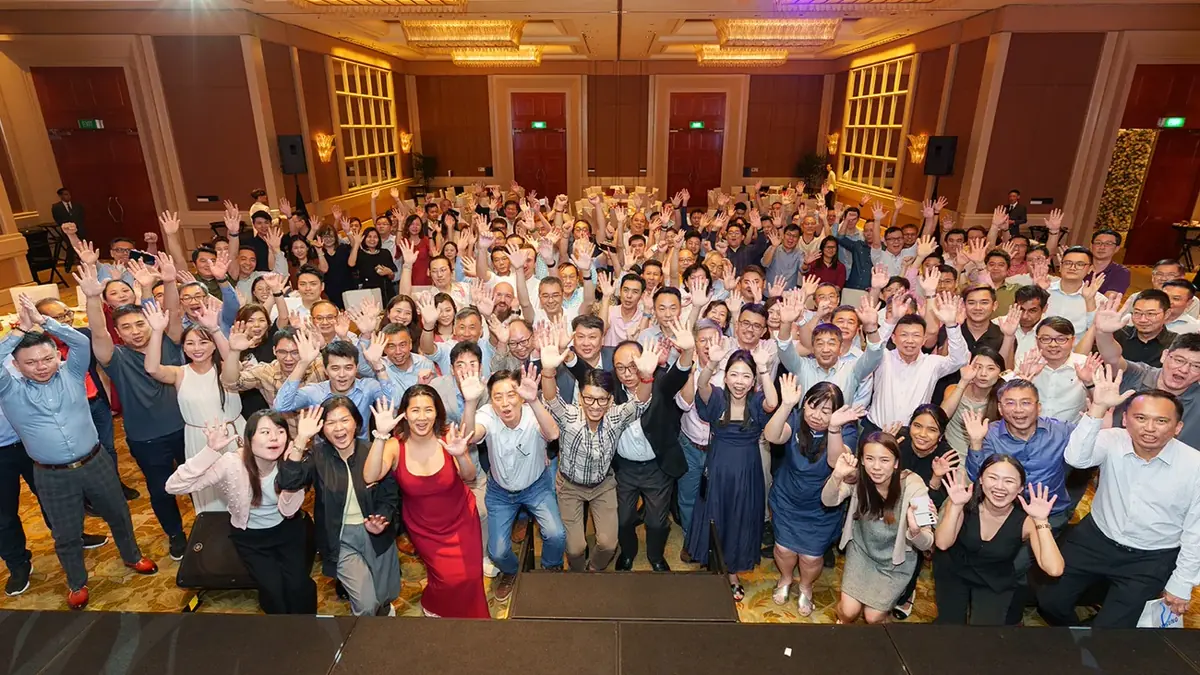
A company annual dinner is a year-marker, not a party
What it is for, a typical programme, and the only full headcount of the year. The awards segment is where it usually slips.
-

The small company dinner: forty people, one room, no stage
How to plan a company or team dinner for twenty to a hundred. Most advice assumes a 400-seat ballroom; at forty the room, dietary needs, the table shape and the speech are the whole job.
-
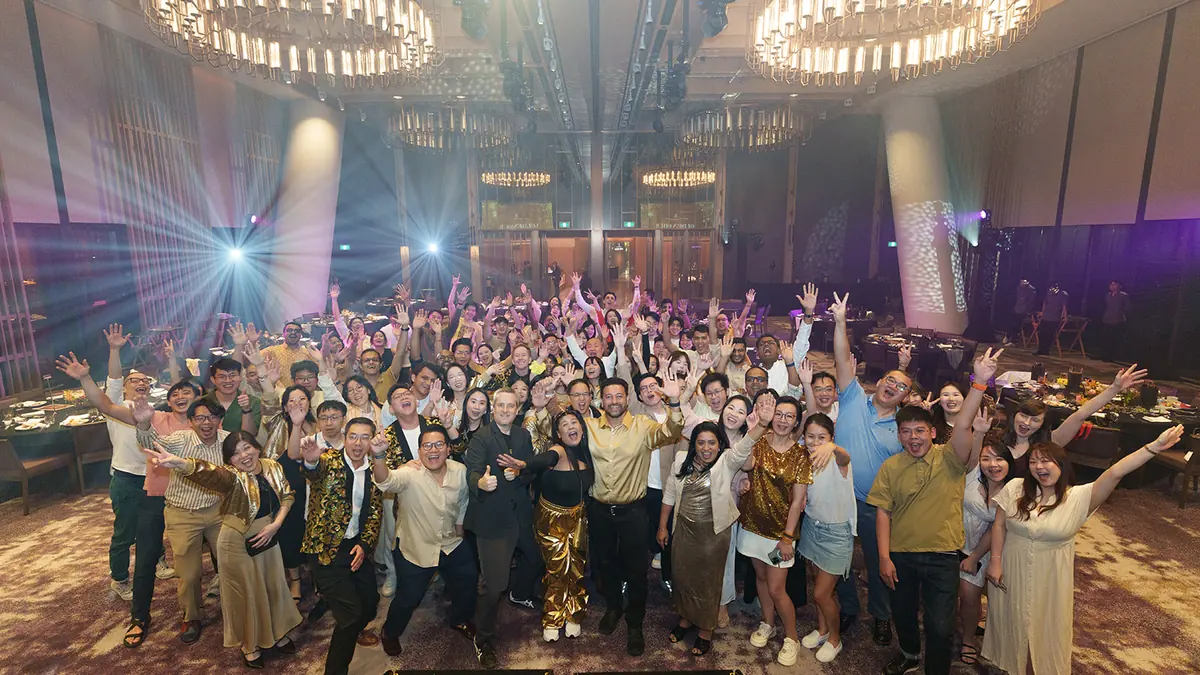
Dinner and dance themes that survive a corporate crowd
Twenty theme ideas, each with its dress code. Why some fill a dance floor and others empty it by nine, and how to test one before you commit.
-
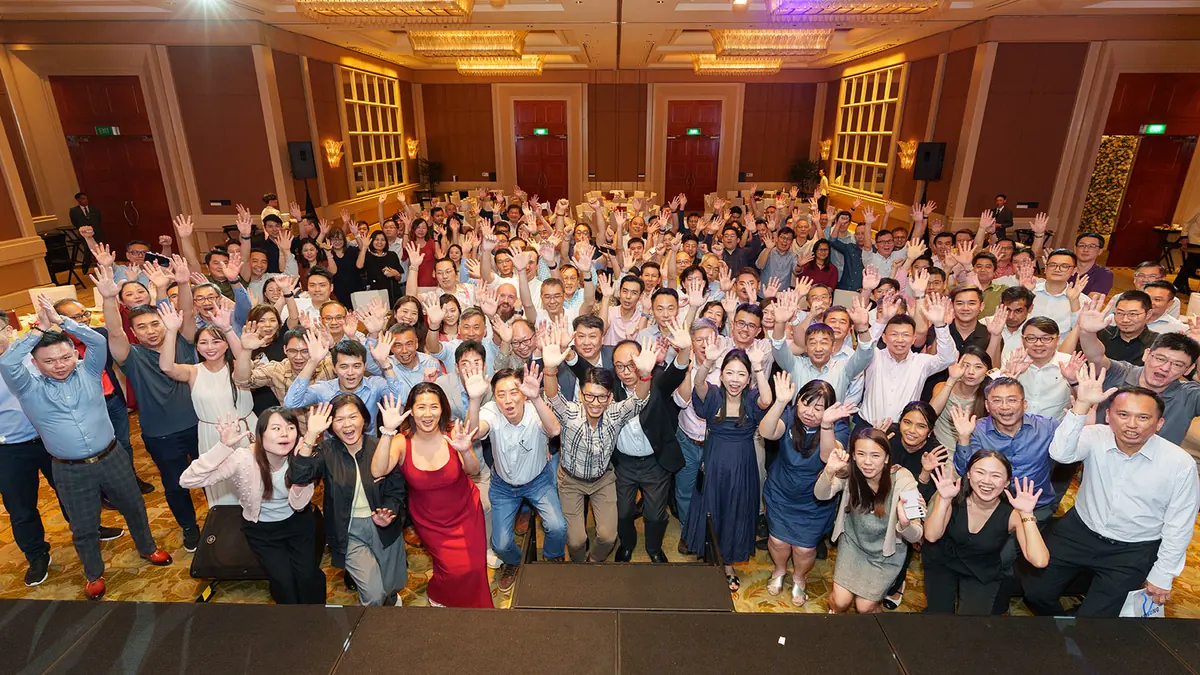
Choosing a ballroom: the questions venues do not volunteer
Capacity is not the number on the brochure. What to ask about load-in, rigging points and the seating plan you actually want.
-
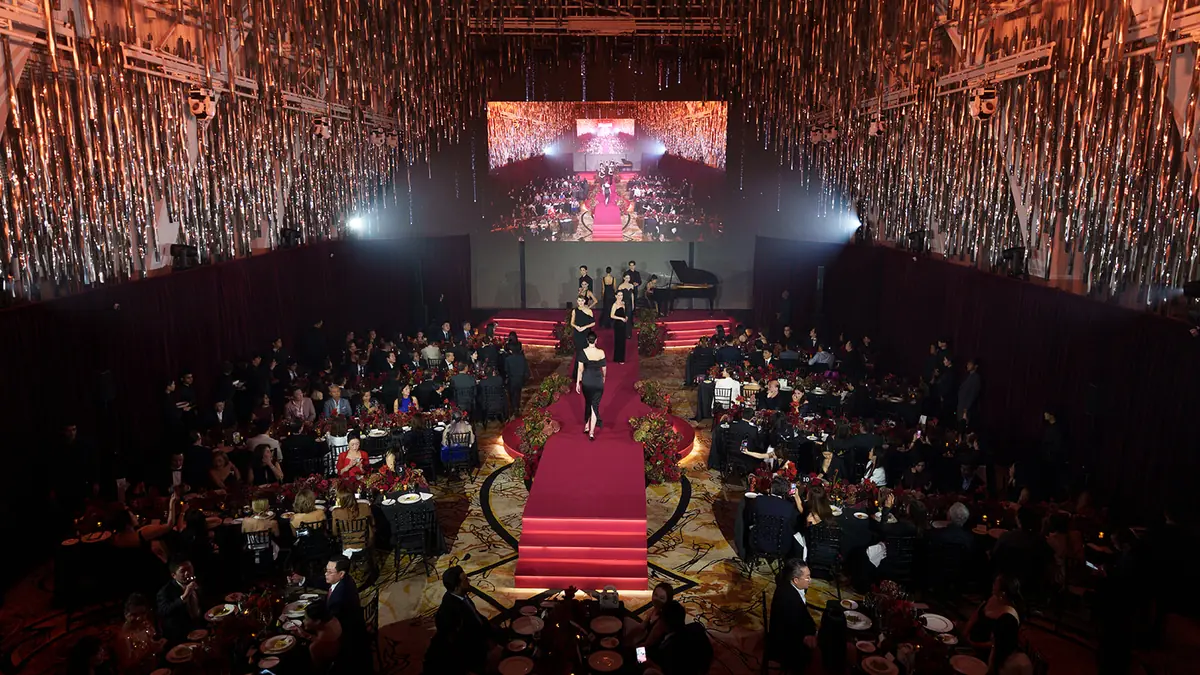 Pillar guide
Dinner and dance: how the night runs, from the welcome to the last song
The programme of the night, where the games and the draw go, who owns which hour, and the three things that go wrong when nobody does.
Team building
Formats that survive the Monday debrief, at any headcount.
-
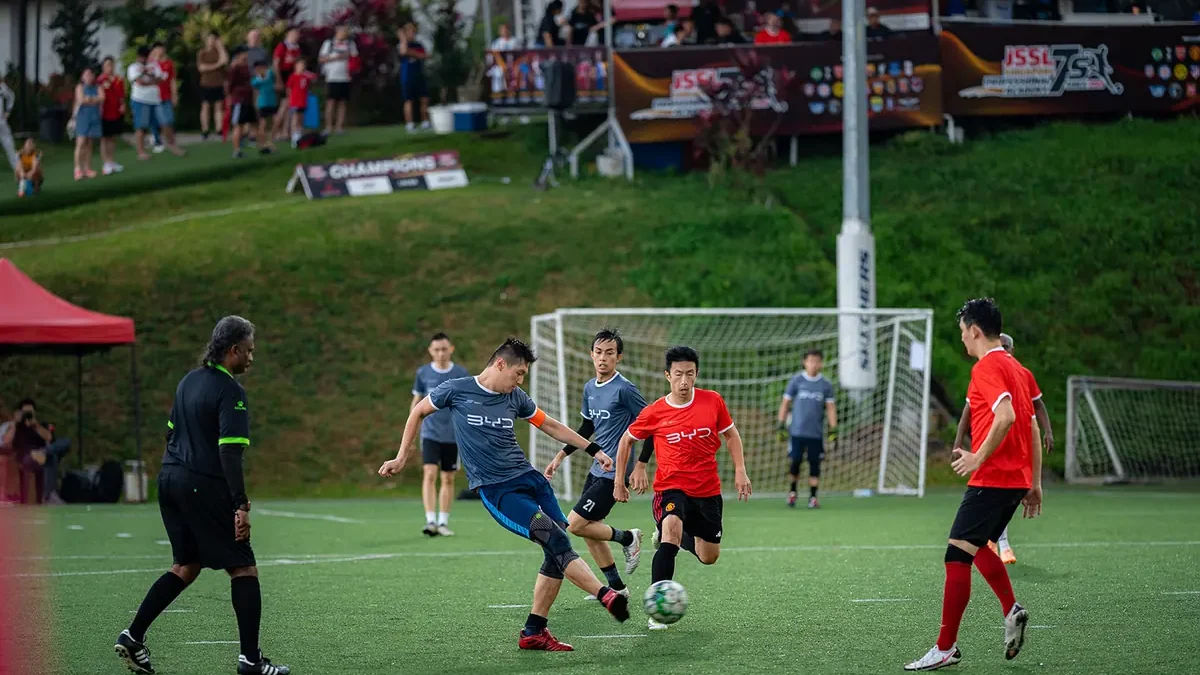
Outdoor team building activities, planned around the weather
The activity is the easy part. The month, the shade and a rain call made in advance decide whether the day happens at all.
-
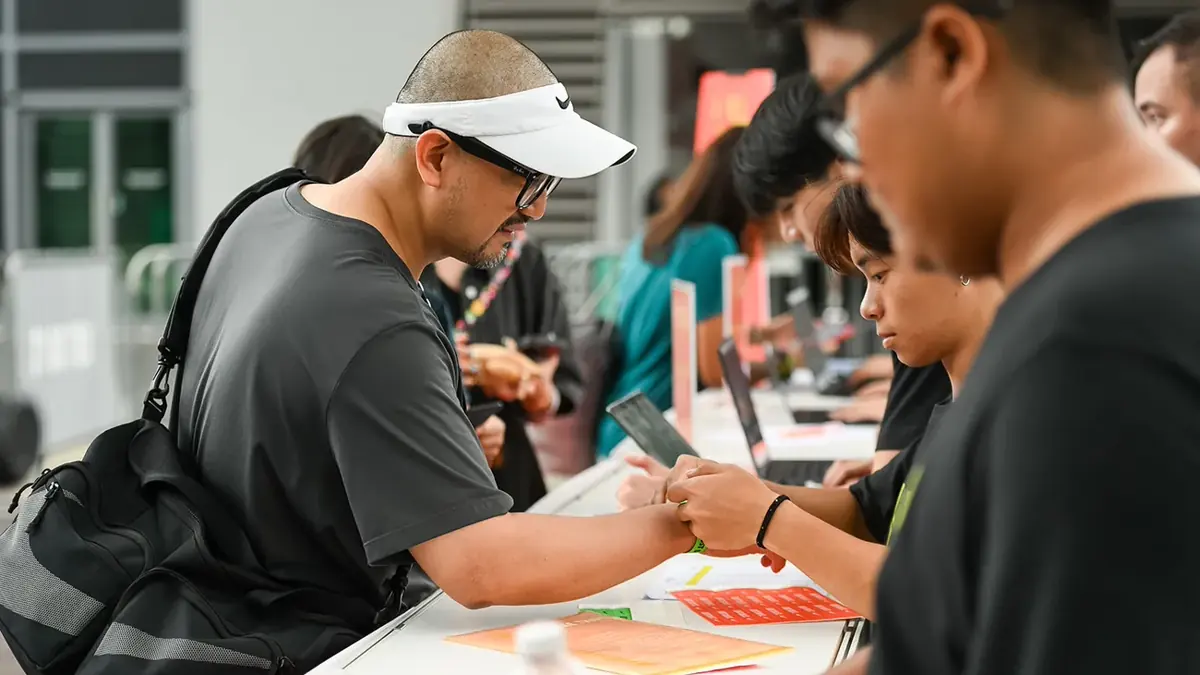
Corporate team building that survives the Monday debrief
Easy to enjoy, hard to justify. Choose the format by the outcome you need, and know what you are reporting a week later.
-
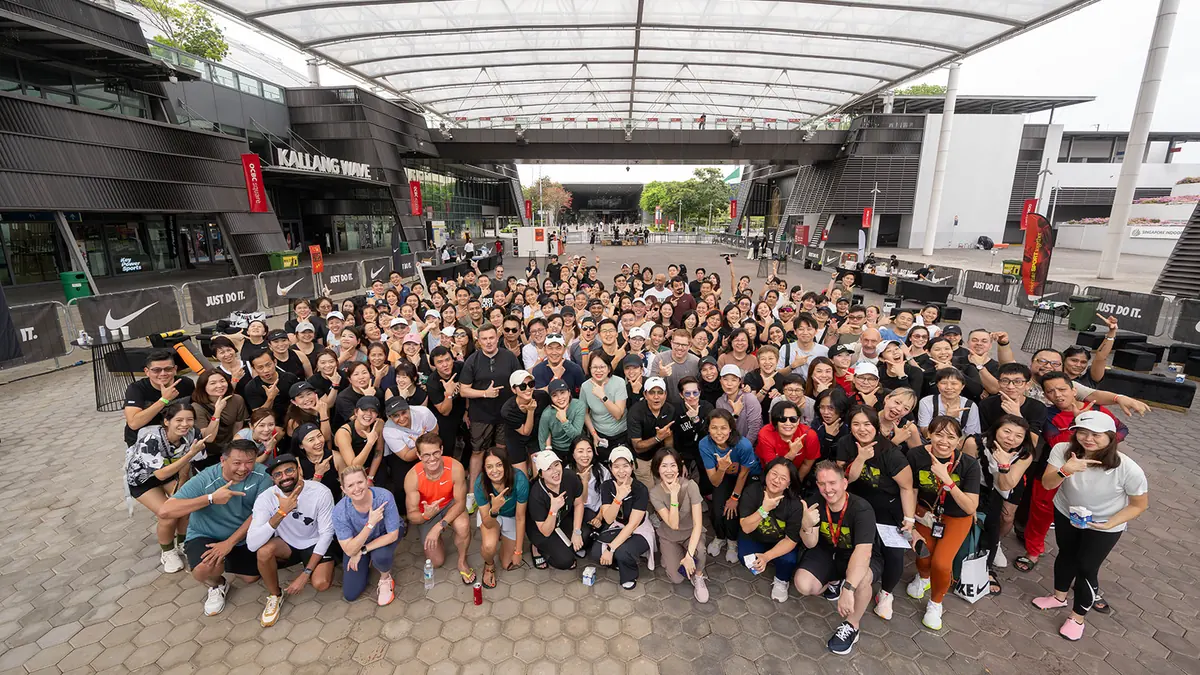
Running team building for 100 people or more
At scale the activity is not the hard part. Queueing is. How to keep everyone moving.
-
 Pillar guide
Team building activities that change something
Twenty activities, indoor and out. Most of it just fills an afternoon; what separates the sessions people still reference months later.
Venues
Ballrooms and function rooms, and what a site visit should tell you.
-
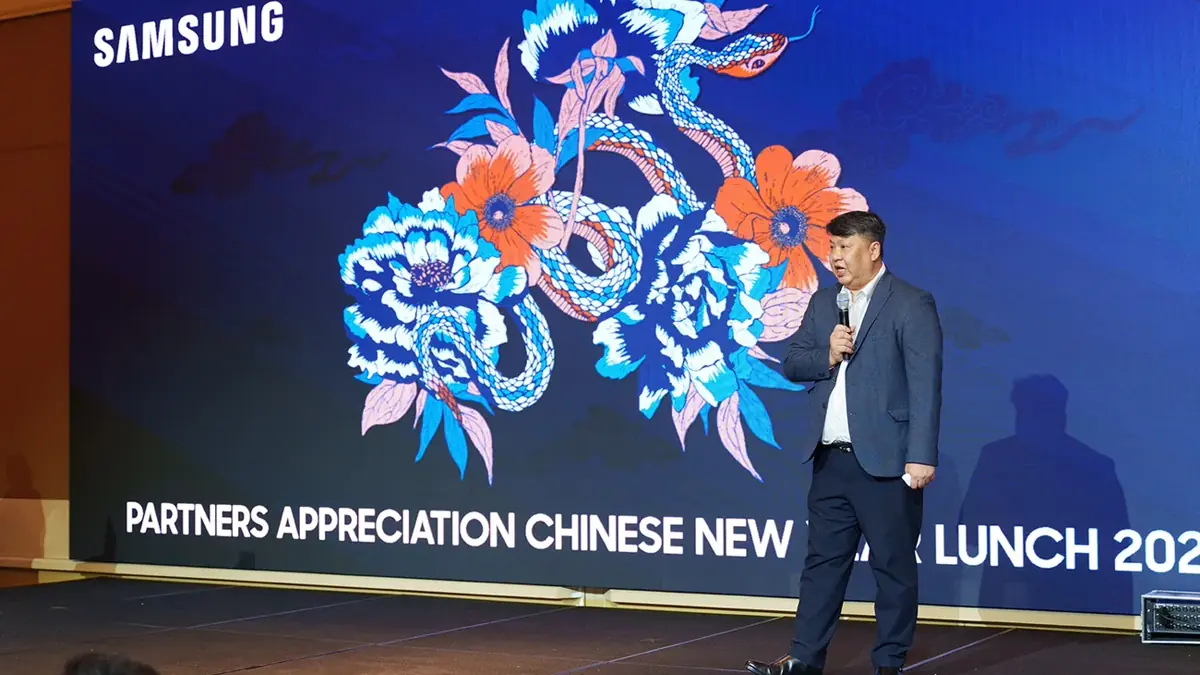
Conference room rental, and the six things the rate leaves out
The quoted rate is rarely the cost of using the room. What a hire includes, what it does not, and which gap costs most when it is found late.
-
 Pillar guide
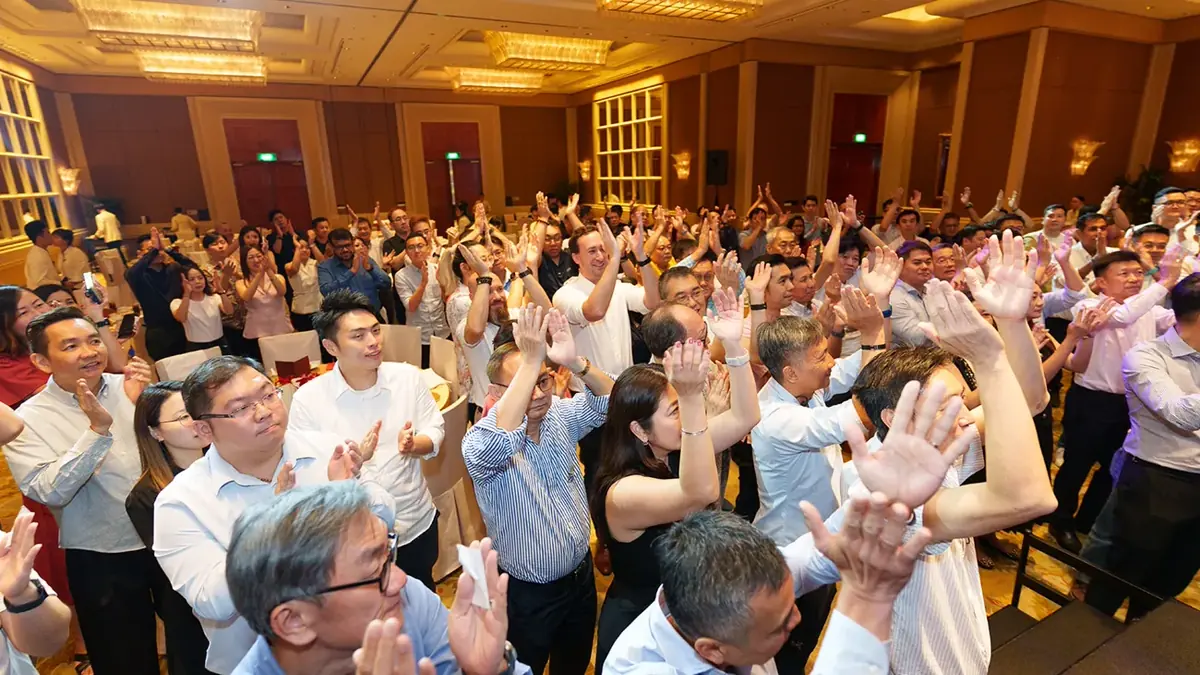
Choosing an event venue in Singapore: the room has a job
Pick the room by what the event has to do, not by the photographs. What each format needs, a capacity calculator, how function rooms are priced, and what disappears to stage and service lanes.
-
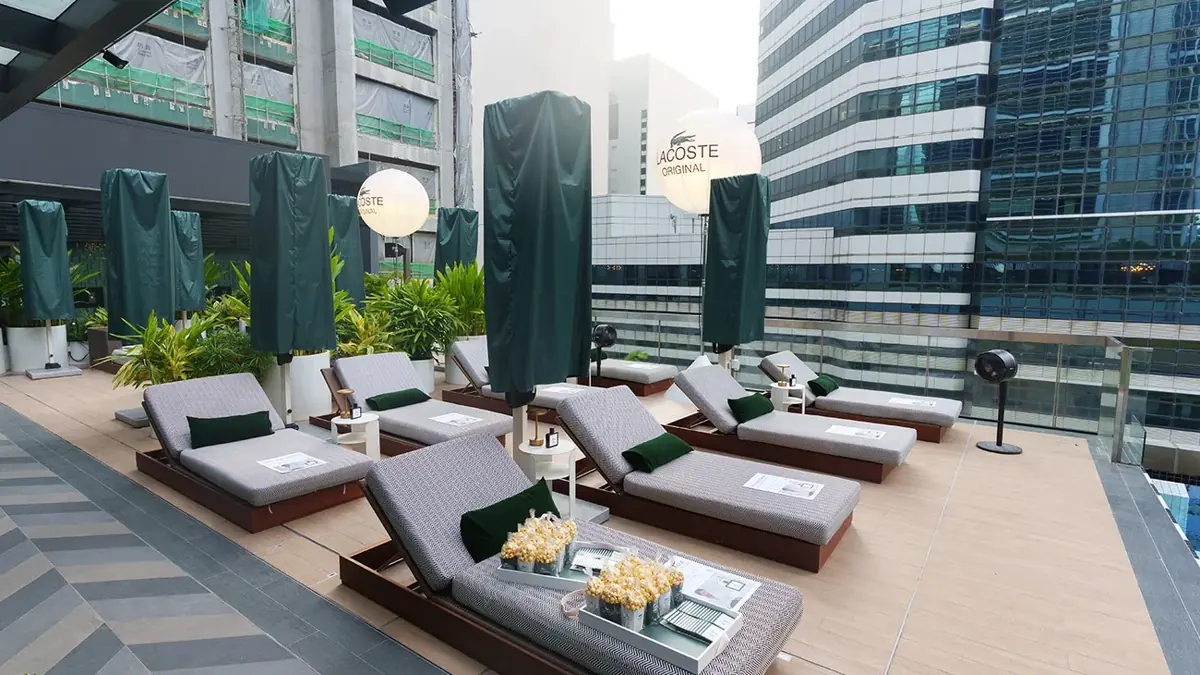
What to check on a venue site visit
A site visit checklist, because a site visit is not a tour. What to measure, where to stand, and the questions that stop an expensive surprise turning up on build day.
Exhibitions and roadshows
Stands, trade shows, and taking one event to five places.
-

Event backdrop: what a stage or photo wall has to do, and how it is built
A stage backdrop is read from the back row, a photo wall only by the camera. The materials, the sizing and what goes in the brief.
-
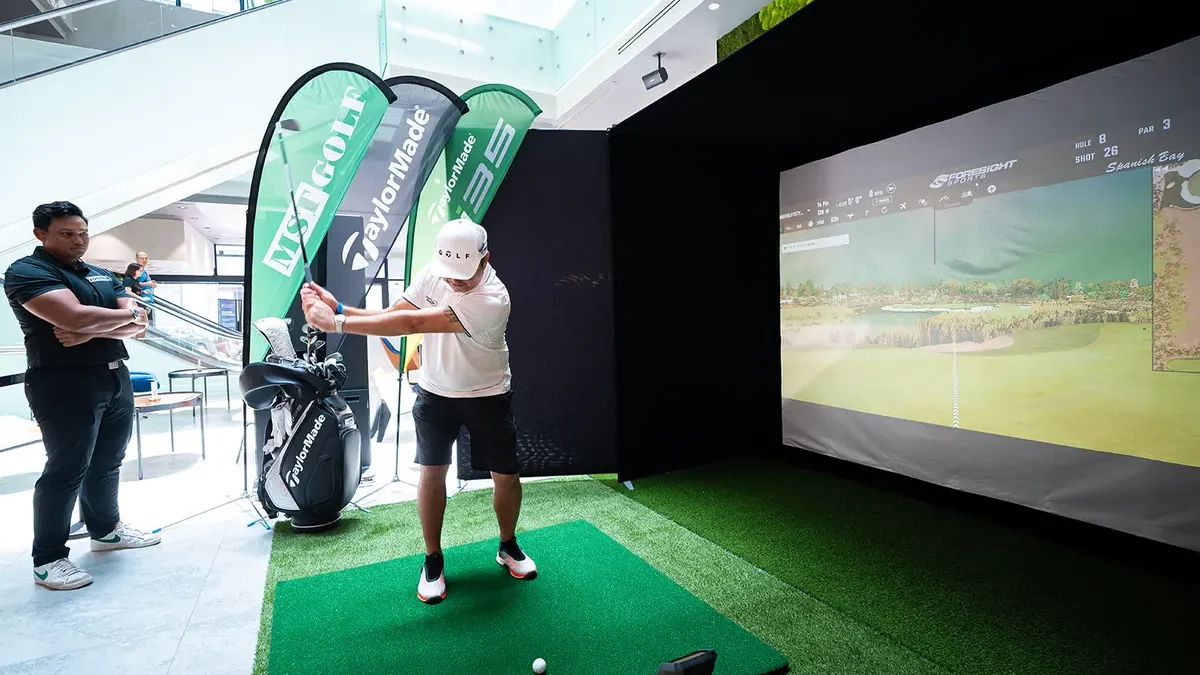
Shell scheme booth: what it includes, and how to make it yours
Every stand in the row starts the same. What the package usually includes, how to dress it so people stop, and the forms that close before move-in.
-
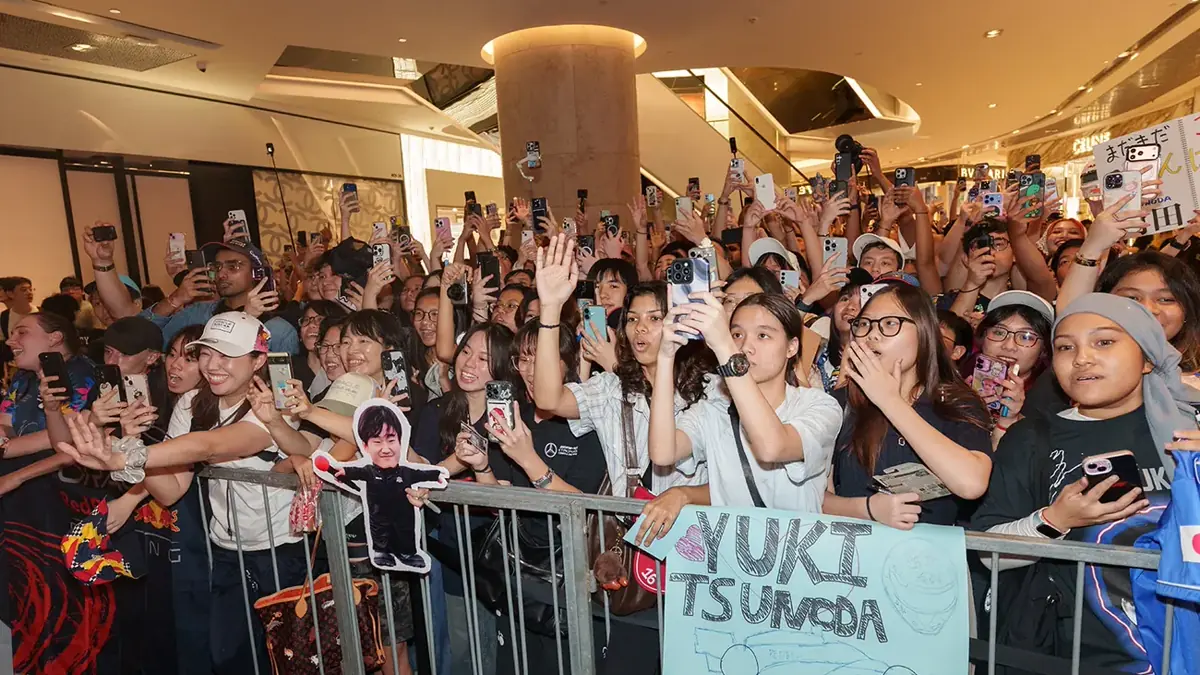
Running a roadshow so stop five is as good as stop one
Booking the mall space, building the booth, and one event taken apart four times: what a mall atrium licence restricts, and where the schedule breaks first.
-
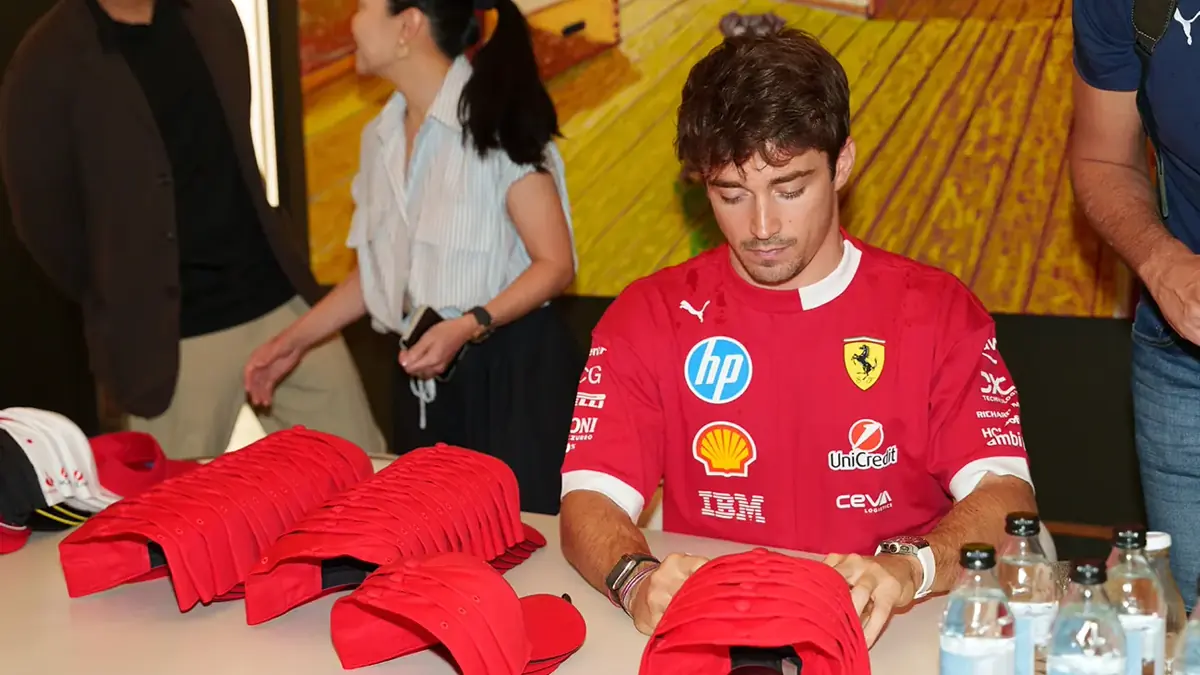
What a trade show in Singapore actually costs you
Paid for in attention, not square metres. Where Singapore's trade shows are held, how long a visitor really gives you, and what a badge scan is worth without a note attached.
-
 Pillar guide
Exhibition booth design, judged once the hall is full
How to brief a stand, how it is set up, what to ask a contractor, and what a layout decision costs you in footfall on the day.
Running the day
Briefs, quotes, run sheets, and what to do when something breaks.
-
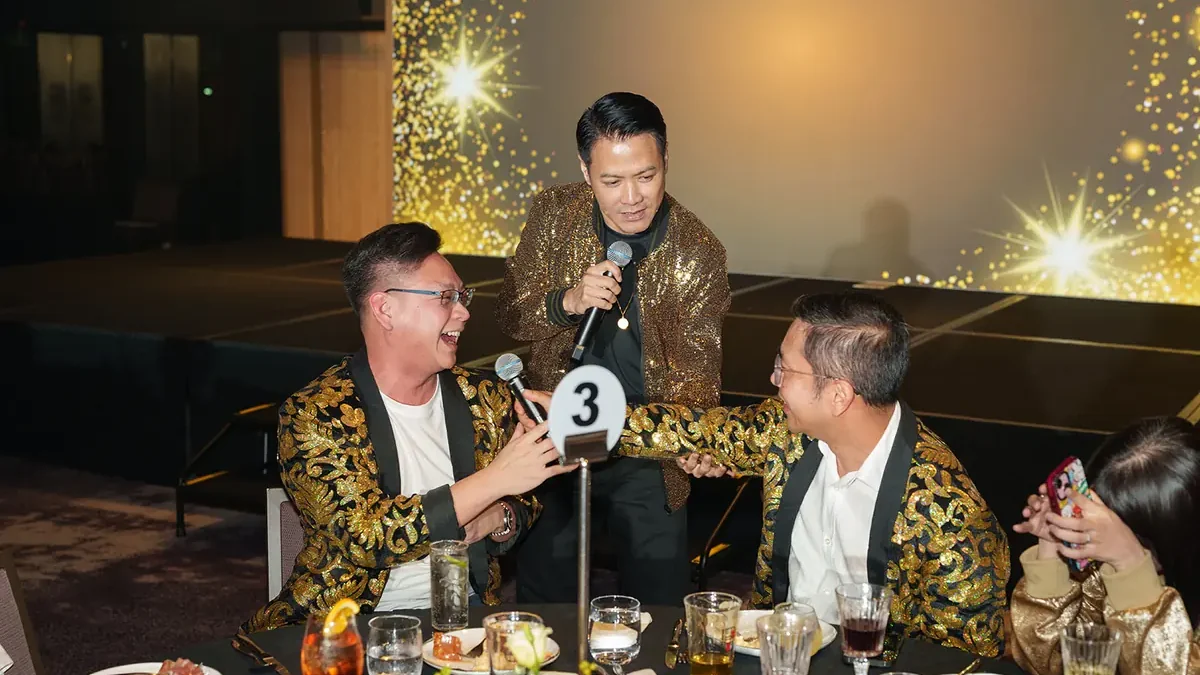
Event emcee: what a good one does, and how to brief them
The emcee is the only person who talks to the whole room all night. What a good one does, how to choose one, and the brief that keeps them on time.
-

How far ahead should you book an event in Singapore?
Lead times by format, the order to book things in, and what you lose first when the runway gets short. The date is the only decision you cannot take back.
-
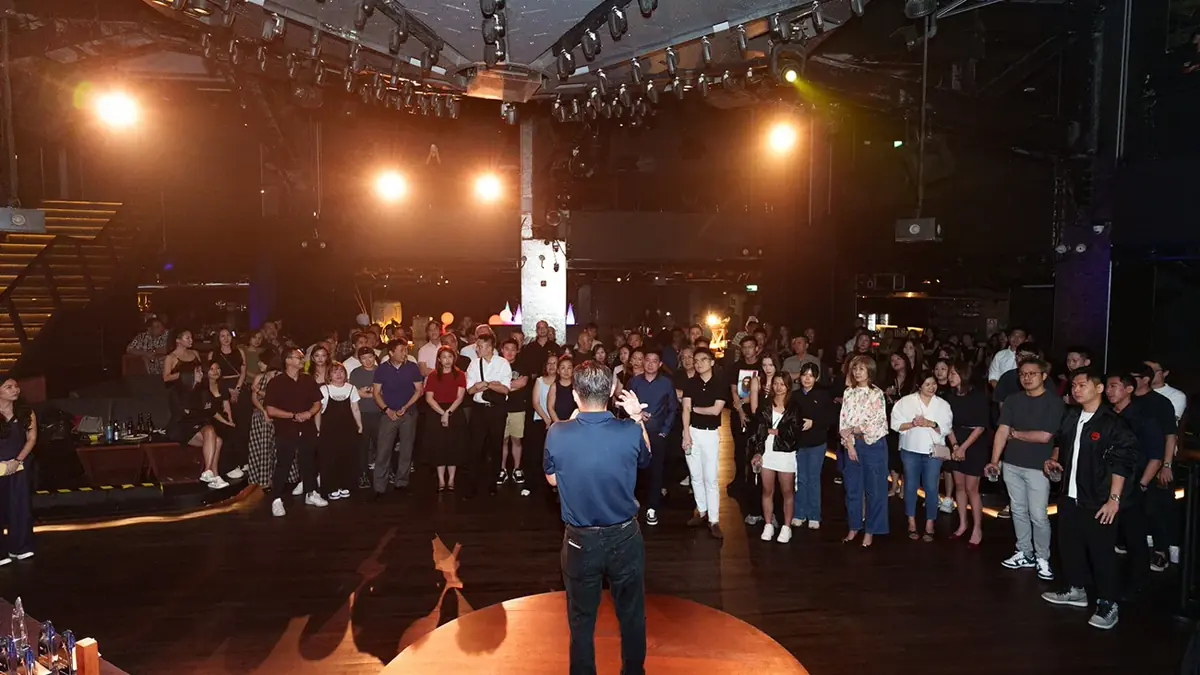
What an event quote covers, and what it leaves out
An event quotation, line by line. Two quotes for one event can differ in scope rather than price: how to read production, AV, rigging, manpower and contingency.
-
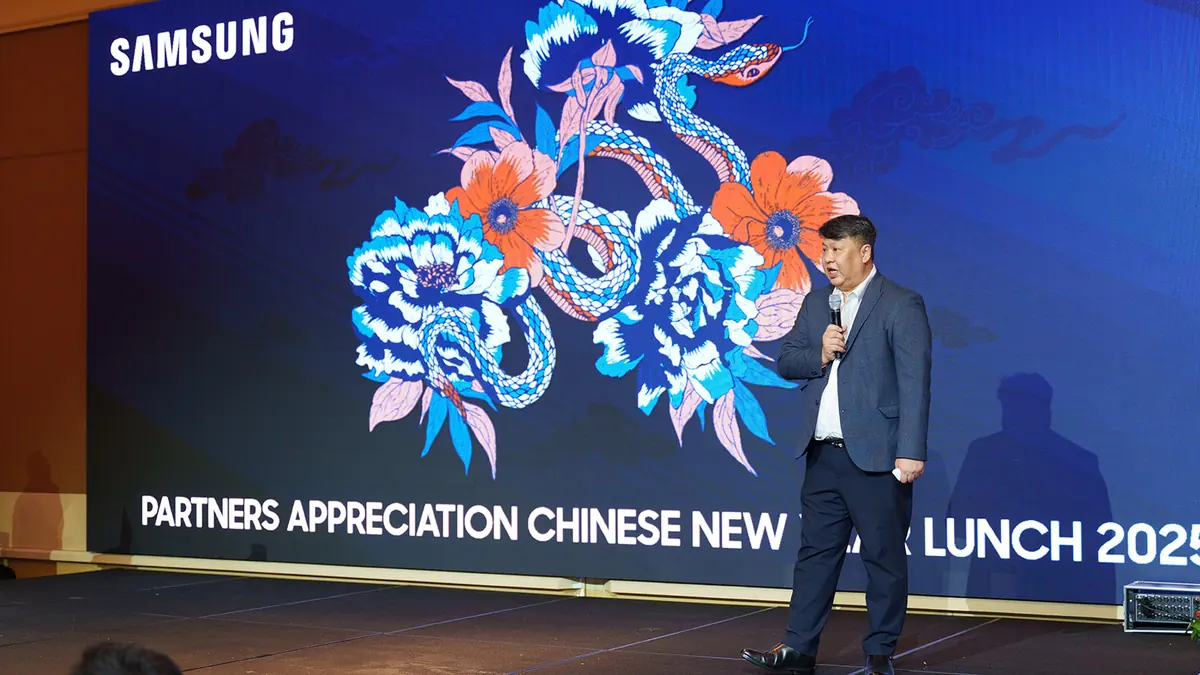
What a run of show is, and why a good event day is boring
The run of show, or run sheet: the columns to put in one, and the document that decides whether the day feels calm or improvised, annotated from a real one.
-

When something goes wrong at an event
Almost nothing is fixed on the day. It is fixed weeks earlier, by a second option that costs nothing until you need it: what goes in an event contingency plan.
-
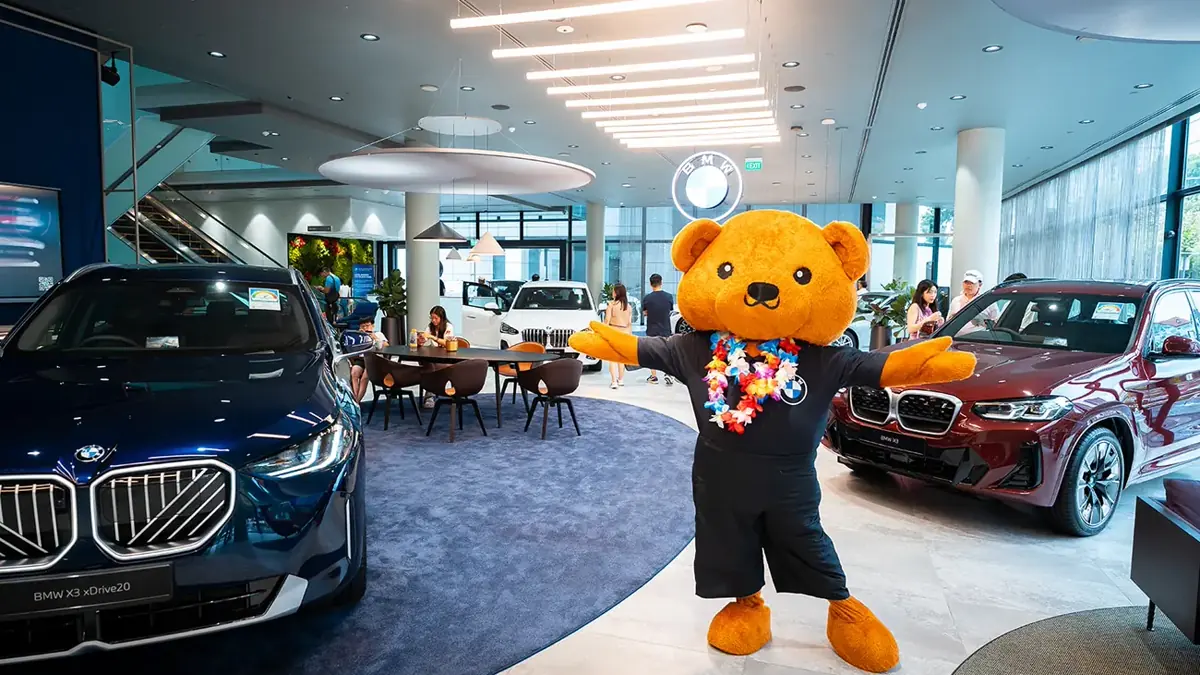
What to put in an event brief, and what can come later
The cheapest document in the event, and the one that decides most of it. What a supplier needs before they can quote, and what can stay open.
-
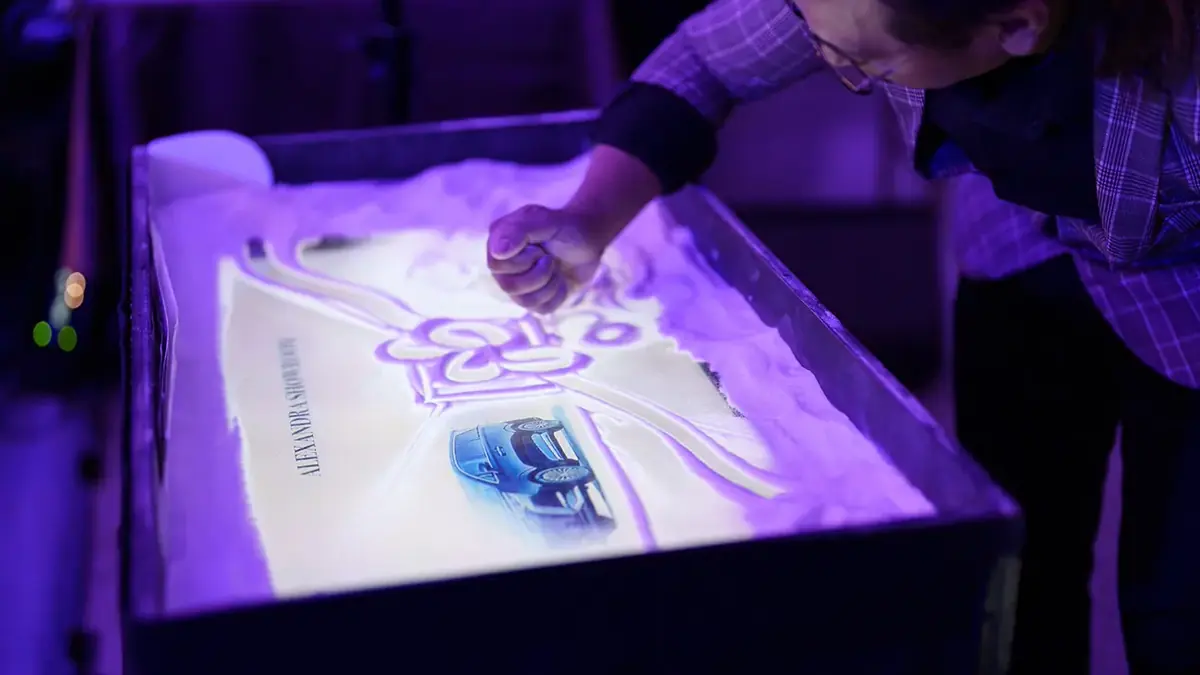
Who does what on an event day
Six jobs, and the one that quietly ends up belonging to no one when the team is small. Event days fail on ownership, not on skill.