Dinner and dance
Gala dinner dress code: what to put on the invitation
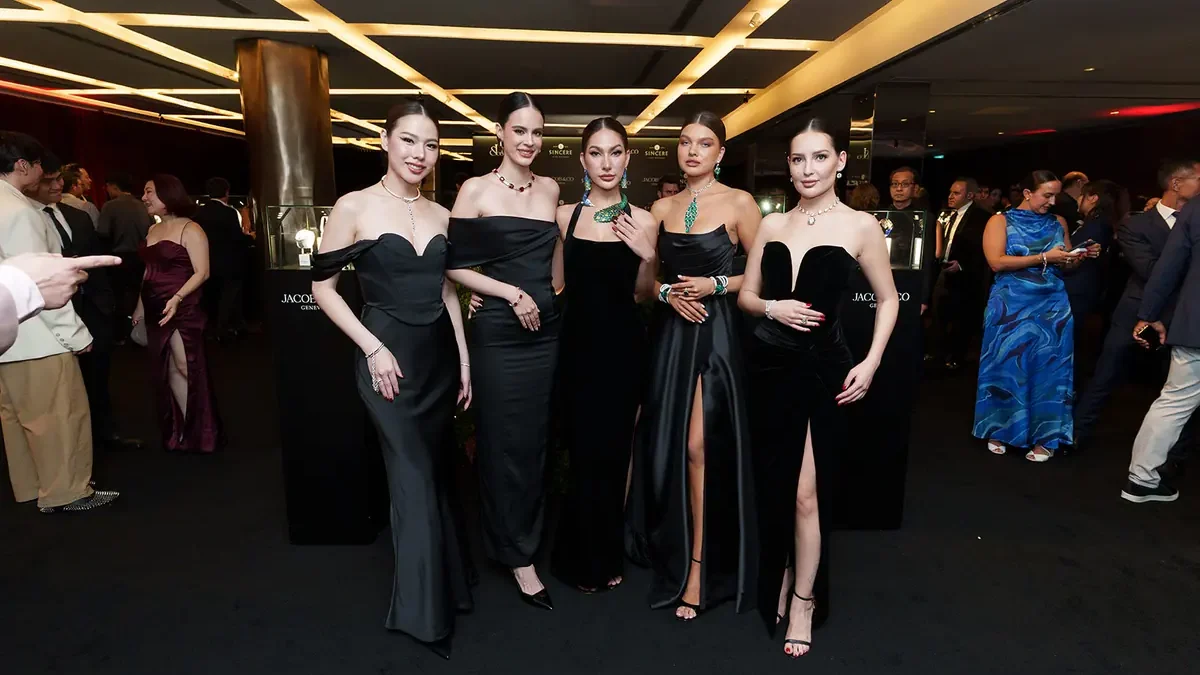
A gala dinner dress code is one line on an invitation, and it decides two things: what the evening looks like in every photograph taken that night, and whether guests spend it comfortable or self-conscious. The organiser's part is short. Pick a level, name it in words guests recognise, add one plain sentence saying what it means, and send it early enough that nobody has to shop in a hurry.
It is one decision among many on the night. If you are planning the whole evening, this is how we run a company dinner and dance.
What each dress code asks of guests
A gala dinner dress code names a level of formality. What guests wear under black tie, cocktail, lounge suit and smart casual follows Debrett's guide to dress codes. The colour row and the last two columns are the organiser's view: when a code suits the evening, and what it costs the room.
| Code | What guests wear | When it fits | The risk |
|---|---|---|---|
| Black tie | A dinner jacket and bow tie. An evening dress: a knee-length cocktail dress is the usual choice, and a floor-length gown is also worn. | A ballroom gala, an awards night, a runway. | Guests without a dinner jacket have to hire or buy one. The invitation is passing on a cost. |
| Cocktail | A smart lounge suit or a velvet jacket. A cocktail dress, or any dress or trouser combination that looks dressed up. | An evening that is part dinner, part party. | The most stretchable code. The room can range widely. |
| Lounge suit | A dark or grey suit and tie. A skirt or trouser suit, or a dress and jacket. | A dinner that starts straight after office hours. | Reads as office wear, so the night can look like work. |
| Smart casual | A jacket, perhaps with a tie, or an open-necked shirt, with chinos or tailored trousers. A dress, a skirt or smart trousers. Denim is probably too casual. | A relaxed dinner for one team. | The widest spread of all. One guest's smart is another's casual. |
| Colour or theme | One of the codes above, plus the colour or the idea. | Any evening, layered on top of a level. | On its own, guests have to guess how dressed up to be. |
You will also see "formal" on invitations. It is not one of the codes in that guide, and guests read it differently, so if you use it, add a sentence saying what it means for this evening.
Debrett's also gives the one rule worth handing straight to guests: if in doubt, it is better to be a little over-dressed than under. Say so on the invitation and most of the uncertainty goes with it.
Writing it on the invitation
Name the code in its standard words. "Black tie" means something specific. "Glam", "dress to impress" and "elegant" each mean something different to every reader. Then add one plain sentence for this evening: what a guest who owns no dinner jacket should wear, or that a long dress is welcome but not expected.
The same holds for any company dinner dress code. A dinner and dance dress code needs one line more, about the dance floor, which the last section covers.
Put it beside the date and the venue, where people look when they decide what to wear, and repeat it on the reminder. A guest who finds the dress code on the day dresses around it.
Guests need time to hire, borrow or alter something, and an invitation can only give them that once the date and the room are fixed. That is one more reason to secure the date first.
Write the dress code line
Choose a level, add a colour or theme if there is one, and tick what the room changes. Copy the result onto the invitation and the reminder.
The level
What the room changes
Themed and colour codes guests actually take up
A colour is easier to follow than a level, because guests can often find it in something they already own, and a code people can join without buying anything is the one they take up.
A colour gives guests something easy to agree on. It does not tell them how dressed up to be. If both matter, the invitation has to say both: the level first, then the colour as the thing to add to it. A theme works the same way, and whether one will be taken up at all is the subject of Dinner and dance themes that survive a corporate crowd.
Let the room decide: the arrival, the air-conditioning, the dance floor
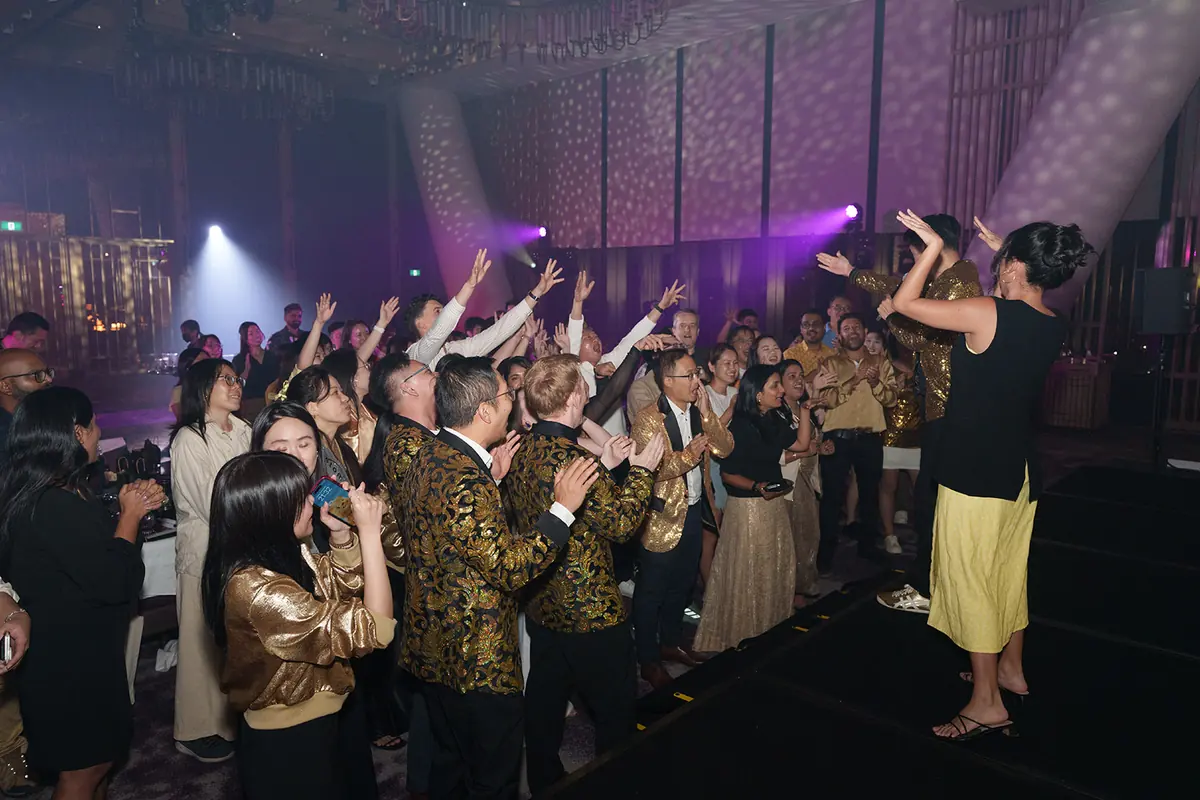
A dress code is worn in more than one climate. Singapore's nights seldom fall below 23 to 25 degrees, and humidity stays high all year, according to the Meteorological Service Singapore. A walk from the car park, a garden welcome or a drink on a terrace is warm in a jacket. Inside, a ballroom cooled for a full room can feel cold to someone sitting still in a sleeveless dress. If either applies, say it. "The welcome is outdoors" or "the ballroom runs cool" lets guests carry a jacket or a wrap.
A dress code outlives the night in its photographs. At a gala dinner our team worked on, one photograph shows two women on a raised red platform with lit steps, the dinner tables dark behind them, their gowns running to the floor and down the steps. Whatever the photo point is, a long dress and high heels have to climb it. Keep its steps lit, shallow and clear.
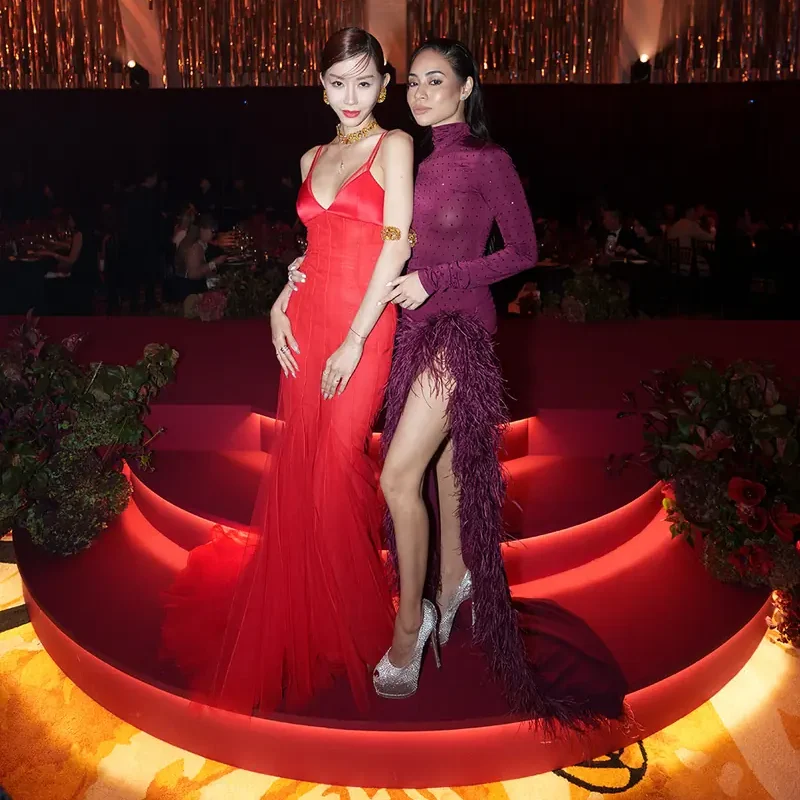
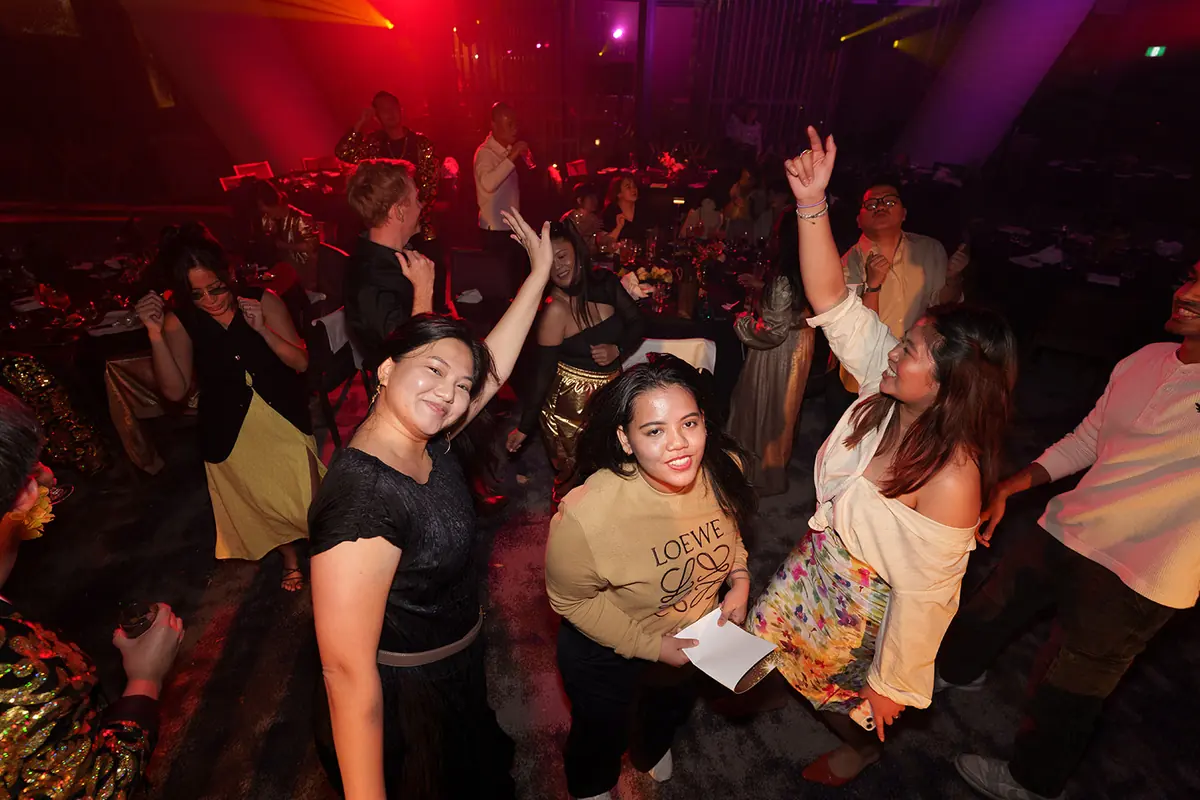
The dress code is tested twice: at the photo point, and on the dance floor.
The dance floor is the second test. A code that puts guests in shoes they cannot stand in empties the floor early. If there is dancing, the invitation can say so, and guests can plan their shoes.
If you are a guest: what to wear, and what to leave at home
Organisers can forward this part as it is.
- Black tie. An evening dress: a knee-length cocktail dress is the usual choice, and a floor-length gown is also worn. For men, a dinner jacket and a bow tie tied by hand, not a clip-on or a ready-tied one, which Debrett's says to avoid.
- Trousers. Debrett's lists dress and trouser combinations under cocktail, a trouser suit under lounge suit, and smart trousers under smart casual. Its black tie guidance names only evening dresses for women, so if you would rather wear trousers to a black tie dinner, ask the host.
- What to leave at home. Denim, which is probably too casual even under smart casual. Shoes you cannot stand in, if there is dancing. A hem you cannot climb steps in, if there is a photo point on a platform.
- Bring a layer. A ballroom cooled for a full room can feel cold when you are sitting still, so carry a jacket or a wrap.
- If in doubt, go one step up. It is better to be a little over-dressed than under.
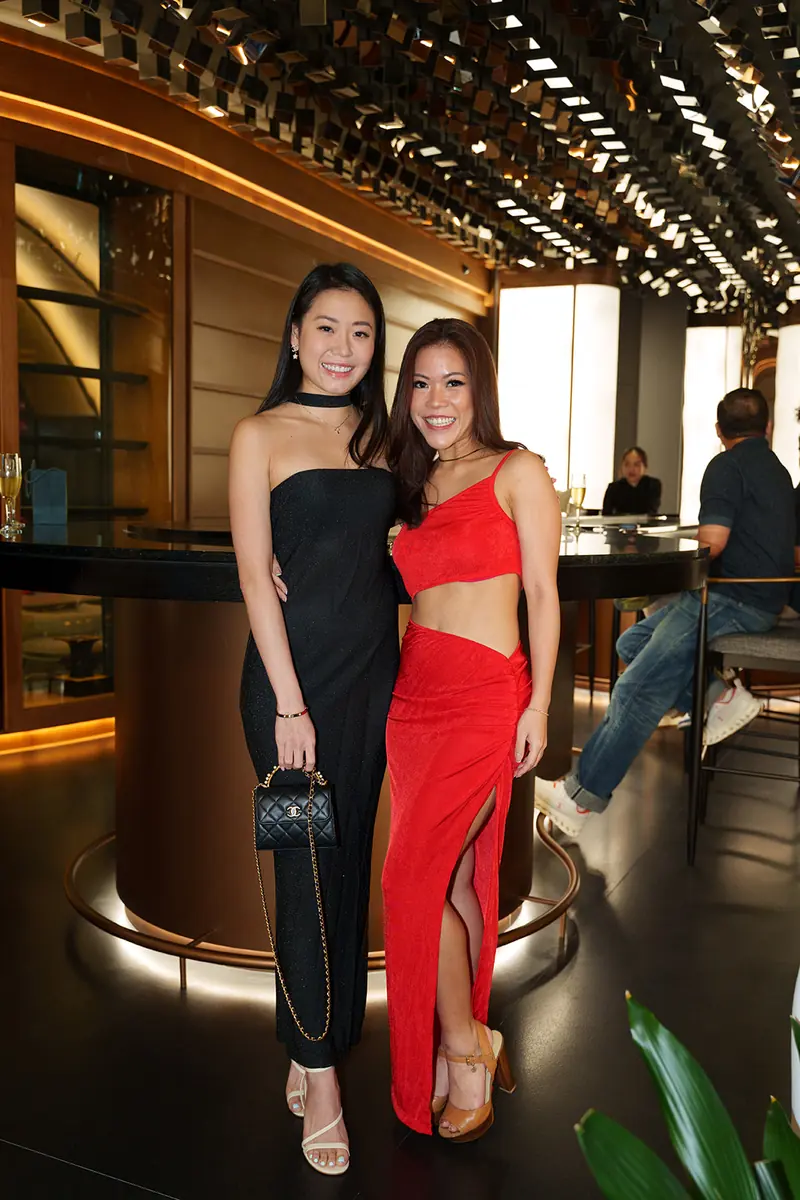
For the rooms and stages a code like this is worn in, see the gala dinners we run and photographs from galas our team has worked on.
Common questions
What does a gala dinner dress code mean?
It tells guests how formally to dress for the evening, on a scale that runs from black tie, meaning a dinner jacket and bow tie with a knee-length or floor-length evening dress, down to smart casual. Name the code in its standard words on the invitation and add one plain sentence saying what it means for this evening, because a code guests read differently gives the room a wide spread of outfits.
What should a woman wear to a gala dinner?
Under black tie, an evening dress: a knee-length cocktail dress is the usual choice, and a floor-length gown is also worn. Under a cocktail code, any dress or trouser combination that looks dressed up. Debrett's names only evening dresses for women under black tie, so a guest who would rather wear trousers to a black tie dinner can ask the host. If in doubt, it is better to be a little over-dressed than under.
What should you not wear to a gala dinner?
Denim, which is probably too casual even under smart casual. Shoes you cannot stand in, if there is a dance floor, and a hem you cannot climb steps in, if there is a photo point on a platform. Under black tie, a clip-on or ready-tied bow tie. And bring a jacket or a wrap: a ballroom cooled for a full room can feel cold when you are sitting still.
Planning the night around it
Tell us the date, the room and what the evening is for. We will come back with a shape for the night and an itemised quote.