Venues
What to check on a venue site visit
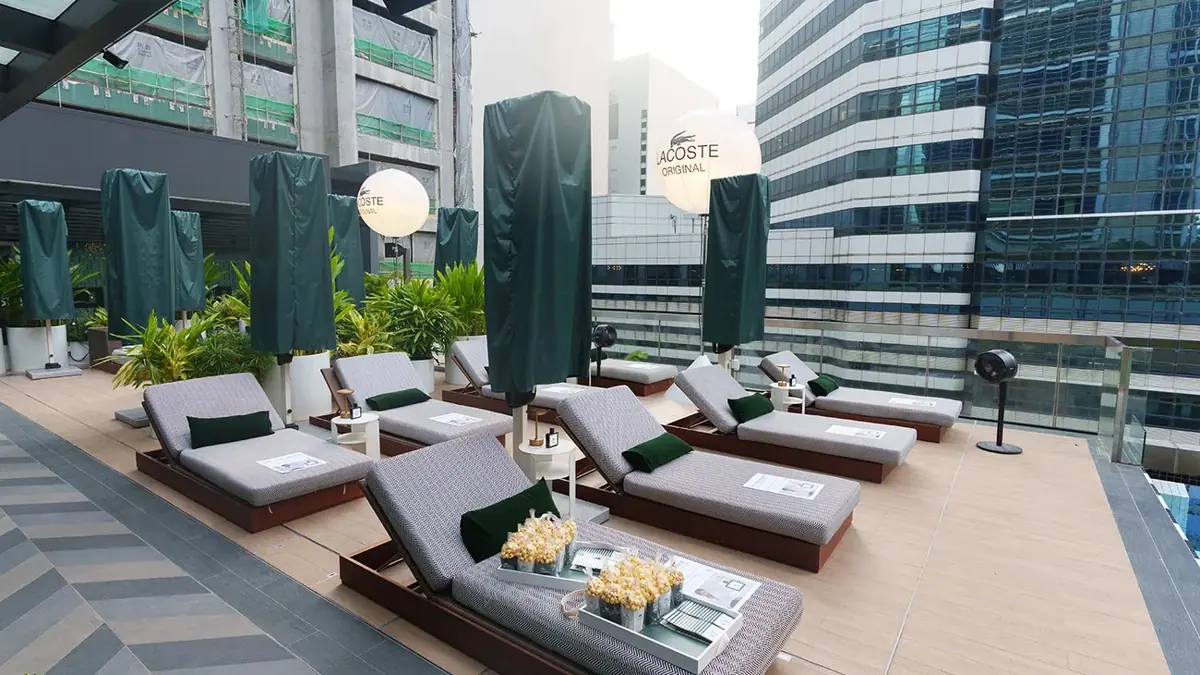
A site visit is not a tour.
You are in that room to find the things that will cost money later, and they hide in seven places: how the room is reached, what the ceiling actually holds, where the power comes from, what the furthest seat can see, which doors service uses, what the room sounds like on your date, and where the crew and the empty cases go. None of it is visible from the middle of the floor, where most visits are spent.
What is a site visit for, if not a tour?
A tour follows the venue's route. It starts at the best angle in the room, ends near the coffee, and answers a question nobody was stuck on: whether the place is handsome. It usually is.
Bring the floor plan you were sent, a tape measure and a torch. Then ask to meet whoever will be on site on your event day, rather than the person selling you the room. They are rarely the same person, and only one of them has to be there at six in the morning when the truck arrives.
What should you actually measure?
Start at the loading bay and walk in the way the event will. Every door on the route has a width, and every corner has a turn a flight case has to make.
The goods lift decides more than anything else on that route. Run the tape across the car corner to corner, since that diagonal is your true ceiling on anything which cannot be broken down. Then measure the door aperture on its own: it is nearly always narrower than the car behind it. Note the clear height while you are inside. A frame that fits the car but not the door does not fit the lift. Five minutes on the visit, or a set piece redesigned in the week of the event.
Choosing between rooms, and how much floor each format needs, is its own piece. This one begins once the shortlist is down to rooms you are willing to walk.
What can you not tell by looking?
Three things, and all three move a budget.
The ceiling. A plaster soffit and a structural one look identical from the floor. Ask which points above your head are live, what each carries, and whether the venue's own rigger is the only person allowed to use them. That last answer changes who you book, not just what you hang.
The power. Ask where it enters the room, how many circuits reach the end you want the stage at, and who is allowed to patch into them. Some venues require their own electrician, which is a booking and a cost rather than a formality.
The sound. Stand still and listen, then ask what the adjoining rooms hold on your date and whether the wall between them is structural or an air wall. An air wall passes bass in both directions, so the band next door is your problem and yours is theirs.
The room is the part that photographs well. The doors, the ceiling and the loading bay are the parts that decide what you can build in it.
Where should you stand?
Not in the middle. Go to the seat the plan puts furthest from the stage, sit down, and look. That view is what a tenth of your room is buying, and it is the only reliable way to find the chandelier hanging exactly where a screen wants to be.
Then stand at the service doors and look back at the same stage end. If the two share a wall, every course either crosses the show or waits for it, which is better decided now than at eight in the evening.
The site visit checklist
Eighteen lines across the seven areas, in the order you would walk them. Tick one when you have actually asked it in the room. What opens underneath is the part people forget to ask for, and what it costs to find out late.
What do you ask before you leave?
What time is the room ours, which is a different question from what time the event starts. What is the hard stop, and what is charged past it. What a room rate covers and what it quietly does not is a list of its own.
Then photograph the dull things: the lift plate, the bay door, the ceiling, the distribution board. A photograph of a doorway with a tape measure held across it settles an argument six weeks later that words will not.
None of this makes a room better or worse. It makes it known, which is the point of standing in one. A venue you have measured is a venue you can write a run of show against. A venue you have only admired is a set of assumptions, and you meet every one of them on build day. We also walk rooms for clients before they sign, across all six formats we run.
Walking a room this week?
Send us the venue and the shape of the night. We will tell you what to measure before you go, and what changes if an answer comes back no.