Running the day
Product launch event: who it is for, the reveal, and the run of the day

A product launch has one moment, the reveal, and one job: everyone who came leaves able to describe the product to someone who did not. Everything else on the day serves those two things.
Here is how to decide who the launch is for, choose a format, plan the reveal and run the day.
Start with who the launch is for
The same product can be launched four different ways, and the audience decides which.
Media need news they can report the same day. The launch is short and early, built around a spokesperson, a photo moment and a press kit.
Partners and trade, the retailers and distributors who will sell it, need the detail: when it is available, what it means for their business, and the product in their hands.
Customers and VIPs need to try it. A customer launch runs longer, with hospitality and time to talk.
Staff need to hear it before anyone else does, because they will be the ones answering questions about it.
Many launches serve two audiences with two events: a media preview in the morning, and a customer evening after it. Filter the formats below by who yours is for.
Launch format chooser
Ten common launch formats, sorted by who the launch is for and where it happens. Many launches combine two, such as a media preview in the morning and a customer evening after it.
The reveal
Every format builds to one moment. There are five usual ways to stage it: a cover pulled away, a screen countdown, a change in the lights, a performer who makes the reveal part of an act, or a live demonstration. Whichever you choose, it needs three things: a single cue, a rehearsal, and one person responsible for the product until the moment it is revealed. A prototype under a cover is still a prototype in a room full of people.
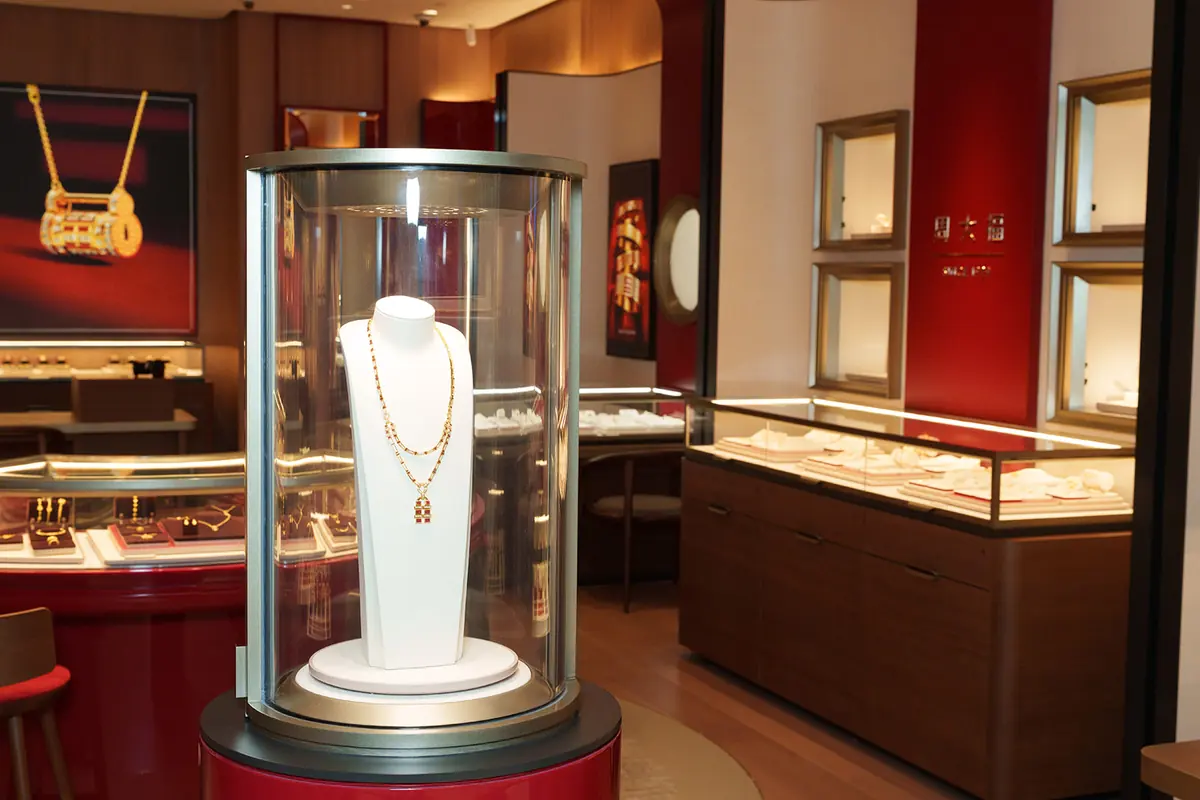
After the reveal comes the part guests remember. Once the product is revealed, let guests handle it: sit in it, hold it, try it. When the product cannot be handled, give it space instead.
Media and photographs
- The photo moment: where the spokesperson and the product stand, with a backdrop that reads in every crop.
- The press kit: the release, product photographs, and who to call with questions.
- The embargo: the time the news can go out, agreed in writing.
- The spokesperson brief: three things to say, and the questions they are likely to be asked.
A launch has one job: everyone who came leaves able to describe the product to someone who did not.
Running the day
Rehearse the reveal with everyone who touches it: the presenter, whoever calls the cue, the lighting and screen operators, and the people pulling the cover. The emcee or host keeps the room on the run of show around it.
Plan the room around the product rather than the stage: where it sits before the reveal, where guests stand to see it, and where it goes afterwards so they can get close. A venue chosen for its stage alone can leave nowhere to do the second part.
And book early. A launch date is usually fixed by the product, not by when the venue is free, so how far ahead you book decides which rooms are left. If the launch travels afterwards, our roadshow guide covers keeping every stop as good as the first.
Start the planning with the event brief. Launches are one of the six kinds of event in what we run.
Common questions
How do you plan a product launch event?
Decide who the launch is for first, because media, partners, customers and staff need different formats, times and lengths. Then choose the format, plan the reveal as the one moment everything builds to, brief the media and the spokesperson, and rehearse the reveal cue with everyone who touches it.
What is the difference between a media launch and a customer launch?
A media launch is short and early, built around a spokesperson, a photo moment and a press kit, so journalists can report it the same day. A customer launch runs longer and is built around trying the product, with hospitality and time to talk.
How do you reveal a product at a launch?
With one clear moment: a cover pulled away, a screen countdown, a change in the lights, a performer, or a live demonstration. Whichever it is, it needs a single cue, a rehearsal, and one person responsible for the product until the moment it is revealed.
Planning a product launch
Tell us the product, who the launch is for and when. We will come back with the format, the reveal and a plan for the day, itemised.